
Blog
Why You Should Whiten Your Teeth Before Composite Bonding
Composite resin is shade-matched at placement — so the order matters. Here is why whitening first gives you the brightest possible result.
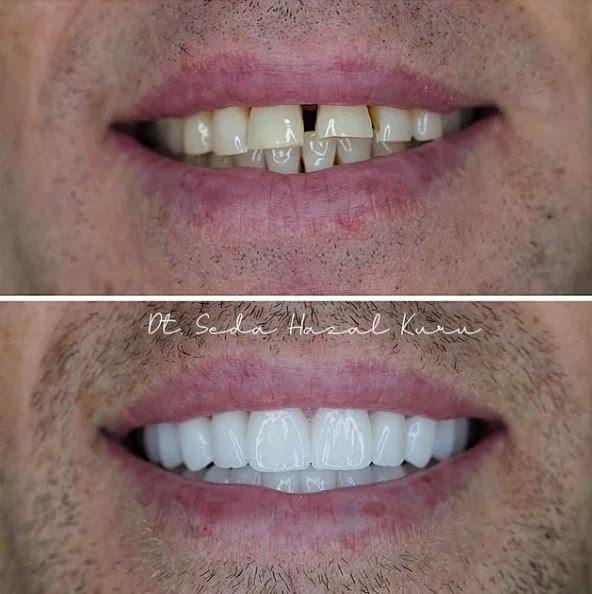
One of the most common mistakes patients make with composite bonding is getting the order wrong. If you plan to both whiten your teeth and have bonding done, the whitening must come first. Here is why — and how to plan it correctly.
Why Order Matters
Composite resin cannot be whitened after it is placed. Unlike natural tooth enamel, which responds to peroxide-based whitening agents, cured composite resin does not change colour. When your dentist places bonding, the composite is carefully shade-matched to the current colour of your surrounding teeth. If you whiten your teeth after bonding, your natural teeth will get lighter — but the bonded teeth will stay the original shade, creating a visible colour mismatch.
The Correct Sequence
The optimal order is: Step 1 — Professional whitening. Have your teeth professionally whitened to your desired shade. Allow 2 to 3 weeks for the colour to stabilise before bonding. Step 2 — Shade stabilisation. After whitening, tooth colour continues to settle for about 14 days. Bonding should not be placed during this period because the final shade is not yet established. Step 3 — Composite bonding. Once your whitened shade has stabilised, your dentist matches the composite to your new, brighter tooth colour. The result is a uniformly bright, natural-looking smile.
What Type of Whitening Works Best Before Bonding?
Both in-office (chair-side) whitening and take-home tray whitening work well before bonding. In-office whitening uses a higher concentration of peroxide gel, activated by light, and produces results in a single session of 60 to 90 minutes. This is convenient for international patients who have limited time. Take-home whitening uses custom trays with a lower concentration gel worn for 1 to 2 hours daily over 10 to 14 days. Results are more gradual but equally effective. At Cellavia, we can coordinate your whitening and bonding appointments within a single Istanbul visit — whitening on day one, stabilisation over 2 to 3 days (which you can spend exploring Istanbul), and bonding on day 4 or 5.
Can You Whiten Teeth That Already Have Bonding?
If you already have bonded teeth and want to whiten, you have two options. Option 1: Whiten your natural teeth and then have the bonding replaced to match the new shade. This is the most effective approach and ensures a uniform result. Option 2: Professional polishing of the bonded teeth to remove surface stains, combined with whitening of natural teeth. This can improve the overall appearance but may not achieve a perfect match if the shade difference is significant.
What About Over-the-Counter Whitening Products?
Whitening strips, charcoal toothpastes, and LED whitening kits sold online generally produce mild results and are not strong enough to cause a significant shade change before bonding. They can also produce uneven whitening, making shade matching more difficult. For the best results before composite bonding, professional whitening — either in-office or with custom trays — is strongly recommended.
How Much Whiter Can Teeth Get?
Most patients achieve a 2 to 5 shade improvement with professional whitening. The exact result depends on your starting shade, enamel thickness, and the type of staining present. Intrinsic stains (from tetracycline, fluorosis, or developmental causes) are harder to whiten than extrinsic stains (from coffee, tea, wine, or tobacco). Your dentist can advise on realistic expectations during your consultation.
Planning for International Patients
If you are travelling to Istanbul for composite bonding at Cellavia, the ideal trip length to include whitening is 5 to 7 days: day 1 for whitening, days 2–4 for shade stabilisation (enjoy Istanbul), and day 5 for SwiftSculpt™ bonding. Alternatively, you can have whitening done at your local dentist 2 to 3 weeks before travelling, and arrive in Istanbul ready for bonding on day one.
The Bottom Line
Whitening before bonding is a small extra step that makes a big difference to your final result. Because composite resin cannot be whitened after placement, the order is critical: whiten first, wait for stabilisation, then bond. This ensures the brightest, most uniform, and most natural-looking smile possible. Ask about whitening options during your free smile assessment with our team.
Related Treatment Pages
- Composite Bonding- Minimally invasive smile enhancement using direct composite resin — completed in a single visit with no tooth reduction.
Price Intent Links
Related Price Guides
Use these row-level guides if you want the pricing logic behind the treatment families mentioned in this article.