
Blog
Is Composite Bonding Worth It? Honest Pros and Cons
An honest breakdown of composite bonding benefits, limitations, and who gets the best value — from a prosthodontist's perspective.
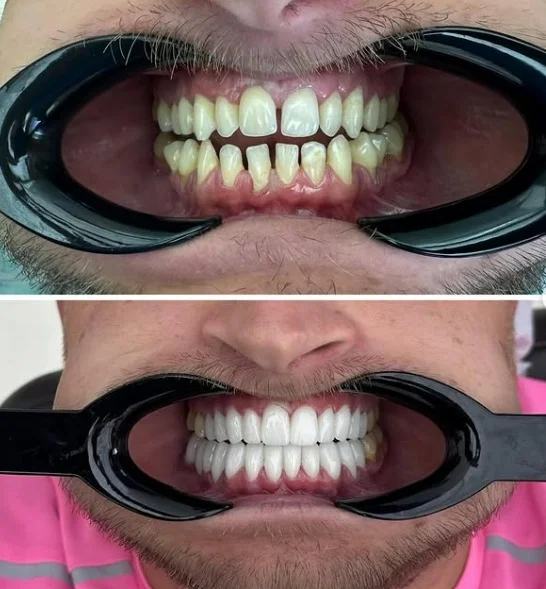
Composite bonding is one of the most popular cosmetic dental treatments in the world — and for good reason. It is fast, affordable, and preserves your natural teeth. But it is not the right treatment for everyone, and understanding both its strengths and limitations will help you make a confident decision.
The Case for Composite Bonding
There are several compelling reasons why bonding has become the first-choice cosmetic treatment for millions of patients worldwide.
It is reversible. Unlike porcelain veneers, which require permanent enamel removal, composite bonding adds material to your teeth without taking anything away. If you decide you want it removed or changed in the future, your natural teeth are still intact underneath. It is fast. A full smile makeover with bonding can be completed in a single appointment — under 2 hours at Cellavia with our SwiftSculpt™ protocol. No temporaries, no second visits, no waiting for a lab. It is affordable. Bonding costs a fraction of what veneers cost. At Cellavia, prices start from £115 per tooth — 60–70% less than UK private rates. It is painless. Most patients require no anaesthesia because little or no tooth preparation is needed. No drilling, no needles, no recovery period. It is fixable. If a bonded tooth chips after a few years, the repair is quick, easy, and inexpensive. Compare this to a porcelain veneer, where a chip usually means a complete — and expensive — replacement.
The Limitations of Composite Bonding
Bonding is not a miracle solution. Being honest about its limitations is equally important.
It does not last as long as porcelain. Composite bonding typically lasts 5 to 8 years, while well-maintained porcelain veneers can last 10 to 15 years or more. If absolute longevity is your priority, veneers may be worth the higher upfront cost. It can stain. Composite resin is more porous than porcelain, meaning it can pick up surface stains from coffee, tea, red wine, and tobacco over time. Regular polishing helps, but bonding will never be as stain-resistant as glazed porcelain. It has limitations for severe cases. Bonding works best for minor to moderate improvements — closing small gaps, fixing chips, reshaping edges. If your teeth are severely crooked, very dark, or missing entirely, bonding alone will not solve the problem. Orthodontics, whitening, or dental implants may be needed first. It requires care. Bonded teeth are strong but not as hard as natural enamel. Habits like nail-biting, chewing ice, or grinding teeth will shorten the lifespan of your bonding.
Who Gets the Best Value from Bonding?
Composite bonding offers the best return on investment for patients who want visible improvement without permanent commitment — a reversible trial of a better smile. It is particularly well-suited for younger patients (under 30) who may want different aesthetics as their face matures, patients with minor cosmetic concerns (small gaps, chips, uneven edges), patients on a budget who want dramatic improvement at an affordable price, and international patients who can combine treatment with travel.
Who Should Consider Alternatives?
Bonding may not be the best choice if your teeth are severely discoloured and do not respond to whitening (porcelain veneers offer better coverage), you have significant misalignment (orthodontics should come first), you want the absolute longest-lasting result regardless of cost (veneers are more durable), or you grind your teeth heavily and are unwilling to wear a night guard (bonding will chip prematurely).
The Bottom Line
Composite bonding is worth it for the vast majority of patients with minor to moderate cosmetic concerns. It offers an unbeatable combination of affordability, speed, reversibility, and natural-looking results. The key is to have realistic expectations: bonding is not porcelain, and it is not permanent — but for 5 to 8 years of a noticeably improved smile at a fraction of the cost of alternatives, it is genuinely hard to beat.
Get an Honest Assessment
At Cellavia Dental, we will tell you whether bonding is right for your case — or whether veneers, orthodontics, or even no treatment would serve you better. Send your smile photos through our consultation form for a free, no-obligation assessment by Dt. Seda Hazal Kuru. Learn more about our team and accreditations.
Related Treatment Pages
- Composite Bonding- Minimally invasive smile enhancement using direct composite resin — completed in a single visit with no tooth reduction.
Price Intent Links
Related Price Guides
Use these row-level guides if you want the pricing logic behind the treatment families mentioned in this article.