
Blog
Is Dental Implant Treatment Safe for Smokers?
How smoking affects healing, implant integration, and surgical planning in full-mouth cases.
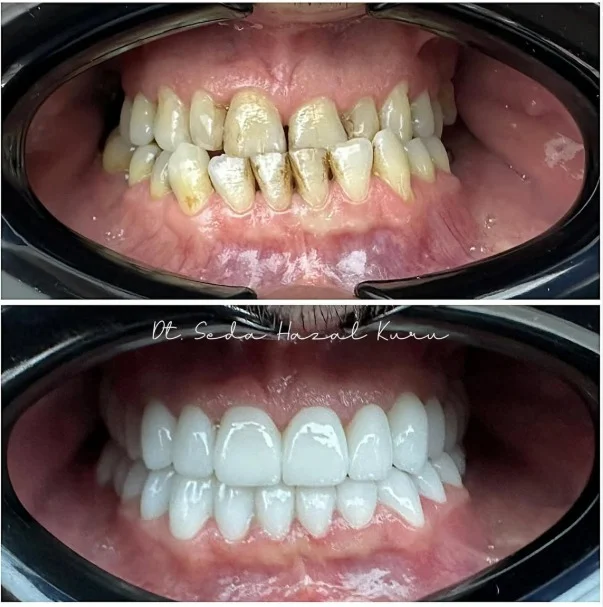
If you are a smoker considering dental implants, you have probably read alarming statistics about failure rates. The reality is more nuanced: smoking does increase risk, but it does not automatically disqualify you from treatment. What matters is understanding the specific risks, following a risk-reduction protocol, and being honest with yourself and your surgeon.
How Smoking Affects Dental Implants
Nicotine constricts blood vessels, reducing blood flow to the tissues surrounding an implant. This impairs healing in three critical ways: Slower osseointegration — The process where bone fuses to the implant surface takes longer and is less predictable. Higher infection risk — Reduced blood supply means fewer immune cells reach the surgical site, increasing susceptibility to post-operative infection. Accelerated bone loss — Smokers are more prone to peri-implantitis, a chronic inflammatory condition that destroys the bone supporting implants over time.
What the Numbers Actually Say
Implant failure rates for non-smokers range from 1 to 5%. For smokers, reported failure rates range from 6 to 20%, depending on the study, implant location, and how heavily the patient smokes. The upper jaw (maxilla) is more affected than the lower jaw because the bone is naturally less dense. Heavy smokers (more than 10 cigarettes per day) face the highest risk.
The Risk-Reduction Protocol
At Cellavia Dental, we follow an evidence-based smoking management protocol for implant candidates: Pre-operative cessation — We strongly recommend stopping smoking at least 2 weeks before surgery. Even reducing from 20 to 5 cigarettes per day measurably improves blood flow. Post-operative cessation — No smoking for a minimum of 8 weeks after implant placement. This is the critical osseointegration window. Nicotine replacement — Patches, gum, or lozenges are acceptable during the cessation window since they deliver nicotine without the combustion byproducts (carbon monoxide, tar) that cause the most tissue damage. Extended healing time — Smokers may be given longer healing periods before loading implants with the final prosthetic.
Smoking and Bone Grafting
If you need bone grafting or a sinus lift before implant placement, smoking risk is even more significant. Graft failure rates in heavy smokers can be 2 to 3 times higher than in non-smokers. For this reason, some surgeons require a longer cessation period (4 to 6 weeks) before grafting procedures.
Vaping and E-Cigarettes
While vaping eliminates combustion byproducts, it still delivers nicotine, which causes vasoconstriction. Current evidence suggests vaping is less harmful than smoking for implant healing, but it is not risk-free. We recommend the same cessation protocol for vapers as for cigarette smokers.
Long-Term Maintenance for Smokers
Even after successful implant integration, smokers need more vigilant long-term care. This means: professional cleanings every 4 to 6 months (not the standard 12 months), daily use of a water flosser and interdental brushes, and honest reporting of any gum bleeding, swelling, or implant mobility. Peri-implantitis caught early is treatable; caught late, it leads to implant loss.
When We May Advise Against Treatment
In rare cases, we may recommend postponing or reconsidering implant treatment: if a patient cannot commit to any smoking reduction, if bone quality is already severely compromised, or if the patient has additional compounding risk factors (uncontrolled diabetes, immunosuppression, heavy alcohol use). This is not a judgement — it is about protecting your investment and health.
The Honest Conversation
The best outcomes start with an honest conversation. Tell your surgeon exactly how much you smoke, for how long, and whether you are willing to stop or reduce. We will not refuse treatment based on smoking alone, but we will adjust your treatment plan, expectations, and monitoring schedule accordingly. At Cellavia Dental, we believe in informed consent — you deserve to know the real risks before making a decision.
Related Treatment Pages
- All-on-4 Dental Implants- A fixed full-arch rehabilitation protocol using four strategically angled implants.
- Bone Graft for Dental Implants- Bone augmentation procedures that create stronger support for implant placement.
- Sinus Lift for Upper Jaw Implants- A procedure that increases upper jaw bone height for safe posterior implant placement.
Price Intent Links
Related Price Guides
Use these row-level guides if you want the pricing logic behind the treatment families mentioned in this article.
Oral Surgery & Implantology
€130Bone Graft Material
Reference price guide currently listed at €130.
Open price guideOral Surgery & Implantology
€200Sinus Lift
Reference price guide currently listed at €200.
Open price guideOral Surgery & Implantology
€130Membrane
Reference price guide currently listed at €130.
Open price guide