
Blog
How Long Do All-on-4 Implants Last?
A practical guide to longevity, maintenance, and lifestyle factors that affect full-arch implant outcomes.
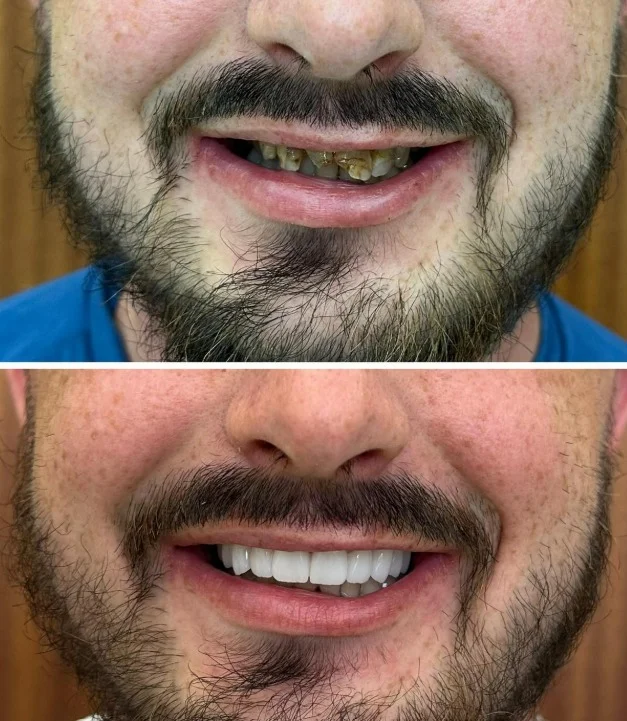
One of the most common questions from patients considering All-on-4 is: how long will these implants actually last? The honest answer is that the implants themselves are designed to last a lifetime, but the prosthetic (the fixed bridge sitting on top) will need maintenance and eventual replacement. Understanding both components is essential to realistic expectations.
Implant Lifespan vs Prosthetic Lifespan
Titanium implants that integrate properly into bone can remain stable for 20 years or more — many studies report survival rates above 95% at the 10-year mark. The prosthetic bridge, however, is subject to wear: acrylic frameworks typically last 10 to 15 years, while full-zirconia bridges can last longer but may chip under extreme bite forces.
Factors That Affect Longevity
Bone quality and implant positioning — Implants placed in dense bone with correct angulation have the highest long-term success. This is why pre-surgical planning with CBCT scans is critical. Oral hygiene — Even though you cannot get cavities on implant-supported teeth, plaque accumulation around the implant collar can cause peri-implantitis, a condition that destroys surrounding bone. Daily cleaning with a water flosser and interdental brushes is essential. Smoking — Nicotine restricts blood flow to healing tissues, increasing failure risk by 2 to 3 times compared to non-smokers. Bruxism (jaw clenching) — Excessive bite force accelerates prosthetic wear and can even fracture components. Night guards are often recommended. Regular check-ups — Six-monthly or annual visits for professional cleaning, bite adjustment, and screw tightening prevent small problems from becoming structural failures.
The Maintenance Schedule
Most clinics recommend a professional check-up every 6 to 12 months. During these visits the prosthetic is removed, cleaned, inspected for cracks, and re-torqued to the implants. Abutment screws may need replacing every few years. Ignoring maintenance is the single biggest controllable risk to implant longevity.
What Happens When the Prosthetic Wears Out?
After 10 to 15 years (depending on material), your bridge may need to be remade. The good news: if your implants are healthy, you simply get a new prosthetic fitted onto the same implants — no surgery required. This is significantly simpler and less expensive than the original procedure.
Realistic Expectations
If you maintain good oral hygiene, attend regular check-ups, and avoid known risk factors, you can realistically expect your All-on-4 implants to function well for 15 to 25 years before any prosthetic refurbishment is needed. Many patients go well beyond that. The key is commitment to maintenance — the implants do their part if you do yours.
Plan Ahead
At Cellavia Dental, we use premium implant systems (Straumann, Nobel Biocare) and offer both acrylic and full-zirconia prosthetic options. During your initial consultation, we discuss material choices, expected lifespan, and maintenance commitments so you can make an informed long-term decision.
Related Treatment Pages
- All-on-4 Dental Implants- A fixed full-arch rehabilitation protocol using four strategically angled implants.
- All-on-6 Dental Implants- A full-arch protocol with six implants for broader load distribution.
- Bone Graft for Dental Implants- Bone augmentation procedures that create stronger support for implant placement.
Price Intent Links
Related Price Guides
Use these row-level guides if you want the pricing logic behind the treatment families mentioned in this article.