
Blog
All-on-4 vs Zirconia Bridge: Which Option Fits Your Case?
Compare treatment goals, biomechanics, and material choices for full-mouth rehabilitation.
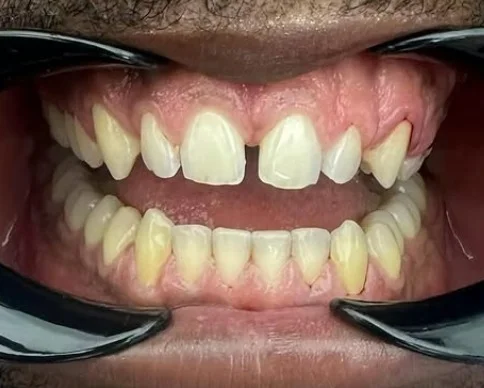
When patients research full-mouth rehabilitation, they frequently encounter two terms that seem to compete: All-on-4 and zirconia bridge. But these are not actually the same type of decision — one is about how implants are placed, the other is about what material sits on top of them. Understanding this distinction is the key to making the right choice.
All-on-4: The Implant Strategy
All-on-4 is a surgical protocol that uses four strategically angled implants per arch to support a full set of fixed teeth. The concept was developed to maximise existing bone and avoid additional procedures like sinus lifts. It defines how your new teeth are anchored — not what they are made of.
Zirconia Bridge: The Prosthetic Material
A zirconia bridge is the physical prosthetic — the visible teeth and framework — that attaches to the implants. Zirconia (zirconium dioxide) is a ceramic material known for its strength, biocompatibility, and natural appearance. The alternative is an acrylic-composite bridge on a titanium or cobalt-chrome framework.
So They Are Not Competitors?
Correct. You can have an All-on-4 implant setup with a zirconia bridge. Or an All-on-6 setup with a zirconia bridge. Or an All-on-4 with an acrylic bridge. The implant protocol and the prosthetic material are independent decisions that your surgeon and prosthodontist make together based on your anatomy and goals.
Acrylic vs Zirconia: The Real Comparison
Acrylic-composite (PMMA/resin on titanium bar): Lighter weight, easier to repair if chipped, lower upfront cost, good aesthetics but can stain over time. Typical lifespan 10 to 15 years before refurbishment. Full-contour zirconia: Extremely hard, stain-resistant, more natural translucency, does not harbour plaque as easily. More expensive to fabricate and harder to repair if fractured. Typical lifespan 15 to 20+ years.
When Zirconia Is the Better Choice
Zirconia tends to be recommended when: the patient has strong bite forces (bruxism), the opposing arch also has a fixed restoration, the patient prioritises long-term durability over initial cost, or when aesthetic expectations are very high (zirconia offers more lifelike translucency).
When Acrylic Is the Better Choice
Acrylic-composite is often preferred when: the patient wants lower initial investment, the prosthetic may need future adjustments (acrylic is easier to modify chairside), or as a long-term provisional while monitoring implant stability in the first year before committing to a final zirconia restoration.
The Two-Phase Approach
Many clinics — including Cellavia Dental — use a two-phase prosthetic approach. On the day of surgery, you receive an immediate acrylic bridge (same-day teeth). After 4 to 6 months of healing and implant integration, this is replaced with your final prosthetic. At that point you choose between an upgraded acrylic bridge or a full-zirconia bridge based on your preferences and budget.
Cost Difference
Full-zirconia bridges typically add €1,500 to €3,000 per arch compared to acrylic-composite. The exact difference depends on the number of teeth, framework design, and laboratory fees. At Cellavia Dental, we present both options with transparent pricing during your treatment planning consultation.
Making Your Decision
The best approach is to discuss material options after your implant surgery plan is finalised. Your surgeon determines the ideal implant protocol (All-on-4, All-on-6, or alternative), and then your prosthodontist recommends the material that best matches your bite pattern, aesthetic goals, and maintenance commitment. There is no universally superior option — only the one that fits your specific situation.
Related Treatment Pages
- All-on-4 Dental Implants- A fixed full-arch rehabilitation protocol using four strategically angled implants.
- All-on-6 Dental Implants- A full-arch protocol with six implants for broader load distribution.
- Sinus Lift for Upper Jaw Implants- A procedure that increases upper jaw bone height for safe posterior implant placement.
Price Intent Links
Related Price Guides
Use these row-level guides if you want the pricing logic behind the treatment families mentioned in this article.